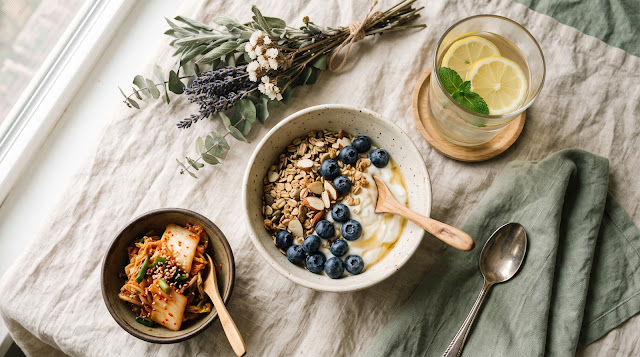
The gut does a lot of its repair work while you sleep. The migrating motor complex — the wave of muscular contractions that cleans debris from the small intestine — only activates during fasting. The gut lining, which turns over faster than almost any tissue in the body, rebuilds itself overnight. The microbiome shifts its activity patterns in response to your sleep-wake cycle.
By the time you wake up, something has already been happening for hours. Breakfast is when you either support that process or interrupt it.
Most breakfasts interrupt it. Sugar disrupts the microbiome within hours of consumption. Processed foods feed pathogenic bacteria preferentially. Eating too fast, too distracted, in a stress state — all of these impair digestion from the first bite and undo some of what happened overnight.
Gut healing breakfast isn’t a specific protocol or a cleanse. It’s a consistent pattern of eating foods that feed beneficial bacteria, support the gut lining, reduce inflammation, and give your digestive system the conditions it needs to continue the work it started while you were sleeping.
These five recipes are built around that logic. They’re also built for slow mornings — because how you eat is as important as what you eat, and a rushed, distracted breakfast is always less healing than a calm, intentional one, even if the food is identical.

What «Gut Healing» Actually Means at Breakfast
The term gets used loosely, so it’s worth being specific about the mechanisms that matter most in the morning context.
Feeding the microbiome
Your gut microbiome — the roughly 38 trillion bacteria, fungi, and other microorganisms living in your digestive tract — is largely fed by dietary fiber. Specifically, prebiotic fiber: the type that your body can’t digest but your gut bacteria ferment into short-chain fatty acids, particularly butyrate. Butyrate is the primary fuel source for colonocytes, the cells lining your colon. It reduces intestinal permeability, has anti-inflammatory effects throughout the body, and supports the gut-brain axis that governs mood, anxiety, and cognitive clarity.
Breakfast is the first feeding of your microbiome after the overnight fast. What you give them first sets the metabolic tone for the day. Fiber-rich breakfast: butyrate production, gut lining support, lower systemic inflammation. Low-fiber, high-sugar breakfast: preferential feeding of less beneficial bacteria, increased intestinal permeability, higher inflammatory signaling.
Supporting the gut lining
The gut lining — a single cell layer that separates your digestive contents from your bloodstream — is extraordinarily thin and turns over every three to five days. It requires specific nutrients to rebuild constantly: glutamine (the primary fuel for enterocytes, the cells of the small intestine lining), zinc, vitamin A, and collagen precursors. These aren’t exotic supplements — they’re found in bone broth, eggs, leafy greens, and fermented dairy.
When the gut lining is compromised — which shows up as bloating, food sensitivities, fatigue, skin issues, and brain fog — these nutrients are what support its repair. Not a product. Not a protocol. Specific foods, eaten consistently.
Introducing beneficial bacteria
Fermented foods — kefir, yogurt with live cultures, miso, kimchi, sauerkraut — introduce live beneficial bacteria into the gut. The research on whether these bacteria colonize permanently is mixed; many appear to be transient. But their effects while passing through are real: they crowd out pathogenic bacteria, produce beneficial compounds, and stimulate immune responses that improve overall gut function. A 2021 Stanford study found that a diet high in fermented foods increased microbiome diversity and reduced inflammatory markers more effectively than a high-fiber diet alone. The combination of both is most powerful.
Reducing morning inflammation
Gut inflammation — present in IBS, IBD, leaky gut, and as background noise in many people without a diagnosis — is worsened by certain foods and reduced by others. Omega-3 fatty acids, polyphenols, curcumin, ginger, and zinc are the best-studied anti-inflammatory inputs for the gut specifically. Several of these appear in every recipe below.

5 Gut Healing Breakfast Recipes for Slow Mornings
1. Kefir Parfait with Prebiotic Granola and Blueberries
Kefir is the single most microbiome-dense food you can eat at breakfast. A cup of kefir typically contains 10 to 34 strains of beneficial bacteria in amounts that dwarf most probiotic supplements — and unlike supplements, it comes packaged with prebiotic fiber, protein, B vitamins, and calcium that support the bacteria’s survival and activity. Full-fat kefir from grass-fed cows is the most nutrient-dense version; coconut kefir is a good dairy-free alternative that still contains live cultures.
The granola here is prebiotic — made with oats (beta-glucan fiber), flaxseeds (lignans and soluble fiber), and nuts (polyphenols that feed Lactobacillus and Bifidobacterium specifically). Pumpkin seeds and chia seeds are also excellent prebiotic additions. For a complete look at utilizing these seeds for hormone and gut health, check out our guide on Seed Cycling for Hormone Balance. Commercial granola is usually high in sugar and low in fiber; making a simple batch takes 20 minutes and lasts the week.
Blueberries complete the picture: their anthocyanins are metabolized by gut bacteria into compounds that further increase microbial diversity and reduce gut inflammation. They’re one of the most studied foods for microbiome health specifically.
Prebiotic granola (make once, use all week):
- 2 cups rolled oats
- ½ cup mixed nuts (walnuts, almonds, pecans), roughly chopped
- 2 tbsp ground flaxseed
- 2 tbsp pumpkin seeds
- 3 tbsp coconut oil, melted
- 2 tbsp raw honey or maple syrup
- 1 tsp cinnamon, pinch of salt
Mix, spread on a lined baking sheet, bake at 325°F (165°C) for 20–25 minutes, stirring once. Cool completely before storing in a glass jar — it crisps as it cools.
To assemble the parfait:
- ¾ cup plain full-fat kefir (or coconut kefir)
- ¼ cup prebiotic granola
- ½ cup fresh or frozen blueberries
- 1 tsp raw honey
- Optional: 1 tbsp chia seeds stirred into the kefir the night before for a thicker base
Layer in a glass jar or a bowl you love. Eat slowly. The kefir is alive — treat it like that matters, because it does.
2. Miso Butter Sourdough with Soft Egg and Microgreens
This is the savory option, and it’s the one that surprises people most. Miso — fermented soybean paste — is one of the oldest fermented foods in regular use, and its benefits go beyond probiotics. It contains isoflavones that support estrogen metabolism, glutamate that makes everything taste more complex and satisfying, and a diverse array of beneficial microorganisms that survived thousands of years of culinary refinement because they work.
The key with miso is temperature: heat above 115°F (46°C) kills the live cultures. So miso butter goes on the toast after toasting, not in a pan. It softens from the bread’s residual heat without being destroyed. Serve alongside a soft egg on toasted sourdough — just like the mindful technique from our The Ultimate Mindful Breakfast Avocado Toast.
The soft egg adds glutamine, zinc, and vitamin A — the three nutrients most directly involved in gut lining repair. Microgreens on top are not decoration: they’re one of the most nutrient-dense additions you can make to any meal, with up to 40 times the concentration of certain vitamins compared to the mature plant.

3. Warm Bone Broth Morning Ritual (Before Anything Else)
This one isn’t a full breakfast — it’s the five minutes before breakfast that changes what breakfast does. A cup of warm bone broth on an empty stomach is one of the most direct gut-healing practices available. Bone broth is rich in glycine, proline, and hydroxyproline — the amino acids that form collagen, which is literally what the gut lining is made of. It contains gelatin that soothes and coats the digestive tract. It delivers minerals in highly bioavailable form: calcium, magnesium, phosphorus, potassium.
The slow living connection is real here. Bone broth as a morning ritual requires five minutes of sitting with a warm mug before the day starts asking things of you. It’s not a supplement. It’s a pace-setter. The warmth activates the vagus nerve. The gut receives something healing before it receives anything challenging. If you’re looking for more comforting, warm morning tonics, explore our signature Honey Lemon Ginger Tea.
How to use it at breakfast:
- Buy quality bone broth (look for: made from grass-fed bones, contains gelatin — it should gel when cold) or make your own in a slow cooker
- Heat gently — do not boil, which degrades some of the collagen
- Add: a slice of fresh ginger, a pinch of turmeric, squeeze of lemon, pinch of sea salt
- Drink from a ceramic mug before eating anything else
- Wait 15–20 minutes, then eat breakfast
That 15-minute window is when the gut lining gets direct contact with the healing compounds before food dilutes them. This is the protocol used in many functional medicine gut healing approaches, and the logic is sound even if the large-scale research is still catching up.
4. Gut Healing Green Smoothie Bowl
Green smoothies have a reputation for being virtuous and joyless. This one is neither — it’s genuinely good and it’s doing serious gut work. Spinach and banana are the base: spinach provides prebiotic fiber, folate, and magnesium; frozen banana provides resistant starch, which is one of the most potent prebiotic fibers available and is specifically associated with increased butyrate production. Banana that’s slightly underripe has more resistant starch than fully ripe — worth knowing if gut healing is the priority.
Kiwi earns its place specifically here: a 2019 study found that eating two kiwis daily for four weeks significantly improved bowel transit time and reduced bloating in people with IBS. Kiwi contains actinidin, a unique enzyme that improves protein digestion, and its fiber profile is unusually effective at improving gut motility without causing discomfort.

5. Overnight Oats with Fermented Oat Base and Stewed Apple
This is the most unusual recipe on the list and the one with the deepest gut-healing logic. Fermenting oats overnight — by adding a tablespoon of apple cider vinegar or a spoonful of plain yogurt to the oat mixture before refrigerating — partially pre-digests the phytic acid in oats, increasing mineral bioavailability significantly. It also begins a mild lacto-fermentation that increases the prebiotic content and makes the oats gentler on sensitive digestion.
Stewed apple adds pectin — a soluble fiber that is one of the best-studied prebiotic foods for microbiome diversity. Apple pectin specifically feeds Bifidobacterium and Lactobacillus, the two genera most consistently associated with gut health and reduced anxiety. The skin contains the most pectin, so stewing with the skin on is worth the small aesthetic compromise.
Recipe (fermented base — make the night before):
- ½ cup rolled oats
- 1 cup oat milk
- 1 tbsp plain yogurt with live cultures (or 1 tsp raw apple cider vinegar)
- 1 tbsp chia seeds
- 1 tsp vanilla extract
- Pinch of cinnamon
Combine, stir well, refrigerate overnight. The mild tang in the morning is the fermentation working.
Stewed apple (takes 8 minutes):
- 1 apple, cored and diced (skin on)
- 2 tbsp water
- ½ tsp cinnamon, pinch of cardamom
- 1 tsp maple syrup
Cook on medium heat, stirring occasionally, until soft and slightly caramelized. Spoon warm over the cold oats. Top with walnuts, a drizzle of raw honey, and a tablespoon of kefir if you have it.
The Slow Morning Eating Practice That Makes All of This Work Better
Digestion is a parasympathetic function. Your body produces digestive enzymes, stomach acid, and bile in quantities proportional to how relaxed your nervous system is when you eat. Eating while stressed, distracted, or rushed — even if the food is perfect — reduces digestive efficiency, increases gut permeability, and can trigger the exact symptoms you’re trying to heal.
The slow living framework is not incidental to gut healing. It’s foundational.
In practice, this means: sit down before you eat, not while you’re still moving through the kitchen. Put the phone face down or leave it in another room for the duration of breakfast. Chew more than you think is necessary — digestion begins in the mouth, and amylase in saliva begins breaking down carbohydrates before anything reaches the stomach. Take two or three slow breaths before the first bite. These aren’t significant time commitments. They’re ten seconds each. And they shift the context from stress eating to actual nourishment.
The gut notices the difference immediately. Over weeks, the cumulative effect of eating in a calm state versus a stressed one is measurable in microbiome diversity, inflammatory markers, and subjective digestive comfort.

4 Variations for Different Gut Healing Needs
- Sensitive digestion / IBS: Start with the kefir parfait and the bone broth ritual — both are gentle on reactive systems. Avoid the green smoothie bowl initially (high fiber can temporarily increase symptoms during a flare). Introduce one new food at a time.
- Post-antibiotic microbiome rebuild: Prioritize fermented foods heavily — kefir every morning, miso where possible, add a small serving of kimchi or sauerkraut on the side. Diversity of fiber sources matters most here; rotate the prebiotic foods across the week rather than eating the same thing daily.
- Bloating focus: The fermented oat base with stewed apple and the bone broth ritual are most targeted for bloating. Reduce raw vegetables temporarily — cooked is easier to digest. Ginger in everything.
- Dairy-free adaptation: Coconut kefir for the parfait, coconut yogurt for the fermented oat base, miso butter with coconut oil instead of butter. All the same gut-healing logic, no dairy required.
FAQ: Gut Healing Breakfast and Slow Living
How long does it take to see results from gut healing breakfast changes?
The microbiome begins responding to dietary changes within 24 to 48 hours — this is one of the most responsive systems in the body to food inputs. Subjective changes in bloating, energy, and digestive comfort often appear within one to two weeks of consistent change. More significant shifts — reduced food sensitivities, improved mood, better skin — typically take four to eight weeks. The gut lining fully turns over every three to five days, so even structural changes happen faster than most people expect.
Should I take a probiotic supplement alongside these breakfasts?
Food-based probiotics — kefir, yogurt, miso, fermented vegetables — are generally considered more effective than supplements because they come with the prebiotic fiber, nutrients, and bacterial diversity that supplements lack. If you have a specific condition (SIBO, post-antibiotic recovery, IBD) where targeted strains matter, a practitioner-recommended supplement alongside food makes sense. For general gut health, the breakfasts here provide more microbial input than most supplements.
Is bone broth actually good for the gut, or is it hype?
The amino acid profile of bone broth — glycine, proline, glutamine — is genuinely supportive of gut lining integrity. The research base is smaller than the wellness world implies, but the nutritional logic is sound. The practical evidence from functional medicine practitioners who use it consistently with patients is positive. It’s food, not medicine, and it’s unambiguously nourishing even if the «leaky gut» claims around it are sometimes overstated.
Can I eat fermented foods if I have histamine intolerance?
Fermented foods are high in histamine, which is a problem for people with histamine intolerance — a condition where the body can’t break down dietary histamine efficiently. If you experience headaches, flushing, hives, or worsened symptoms from fermented foods, kefir and miso may not be right for you. Fresh probiotic sources (specific strains of yogurt, some raw vegetables) are lower histamine and worth trying instead. This is one where working with a practitioner who understands histamine intolerance is worth it.
What’s the one change that makes the biggest difference for gut health at breakfast?
Adding a tablespoon of ground flaxseed to whatever you’re already eating. It’s tasteless in oatmeal, barely noticeable in smoothies, and it’s one of the most researched prebiotic fibers for microbiome diversity and estrogen metabolism. One tablespoon, every morning, costs almost nothing and takes zero additional effort. Start there, then build from it.
The gut is not a problem to solve in two weeks and then forget. It’s a relationship — ongoing, responsive, shaped by what you consistently give it. Breakfast is the most consistent meal most people eat, which makes it the highest-leverage place to build gut healing habits.
Not a cleanse. Not a protocol with an end date. Just better mornings, repeated until they become the default.
Your gut will tell you when something is working. Listen to it.
📌 Gut healing recipes, fermented food ideas, and slow morning breakfast inspiration — posted daily on Pinterest. Follow NourishRituals here and save what you want to come back to.