
Breakfast is going international right now in a real way. People are moving past the standard eggs-and-toast rotation and pulling in dishes from other food cultures — shakshuka, congee, and now arepas, the Venezuelan cornmeal pockets that are quietly becoming one of the more interesting protein-and-fiber breakfast formats out there. It’s not a fusion gimmick. The format itself just happens to work exceptionally well for a stuffed, portable, endlessly customizable morning meal.

Why Roasting Changes Everything
Matcha and hojicha start from a similar place — both are green tea, both get ground into a fine powder. Where they split is in what happens to the leaves afterward. Matcha comes from young, shade-grown leaves that get steamed and ground while still green, keeping the caffeine and chlorophyll locked in. Hojicha starts with more mature leaves, often harvested later in the season, and then gets roasted at high heat instead of staying green.
That roasting step is doing double duty. First, it breaks down a meaningful portion of the caffeine in the leaves, which combined with the leaves already being lower in caffeine to begin with is why a cup of hojicha carries only a fraction of what matcha does. Second, the same high heat triggers a version of the Maillard reaction — the browning reaction responsible for toasted bread, roasted coffee, and seared meat all smelling the way they do. That’s where hojicha’s nutty, caramel-like flavor actually comes from, and it’s also what turns the leaves from green to that warm reddish-brown color.
The tradeoff is that roasting does reduce some of the antioxidant compounds matcha is known for. If you’re drinking tea specifically to maximize antioxidants, matcha still wins that particular category. If you want something gentler, lower-stakes, and just as ritual-feeling without the energy spike, that’s exactly the gap hojicha fills.

The Base Ritual
This one’s genuinely simple to make, which is part of why it’s easy to fold into an already busy morning without it feeling like an extra task.
Base Recipe
1 teaspoon hojicha powder
2 tablespoons hot water (175°F / 80°C, not boiling)
3/4 cup (180ml) steamed milk of choice
Honey or maple syrup to taste
Whisk the hojicha powder into the hot water first, using a small whisk or even a fork, until it’s smooth with no clumps — this step matters more than people expect, since adding powder directly to a full cup of milk almost always leaves gritty bits floating on top. Once it’s smooth, pour in your steamed milk, stir gently, and sweeten if you’d like.
Four Variations
1. Classic Hojicha Latte
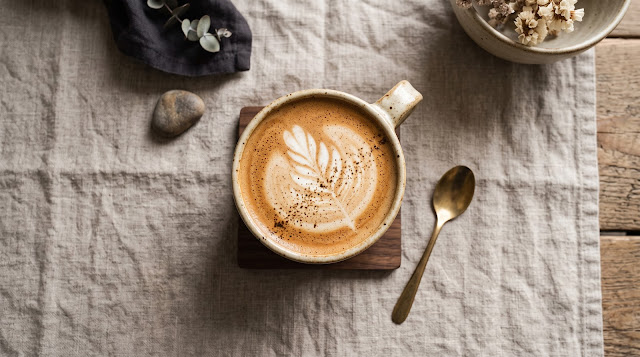
The base recipe above, nothing added. This is the one to start with, since the toasty, caramel-like flavor of good hojicha genuinely doesn’t need much dressing up.
2. Cinnamon-Spiced
A pinch of ground cinnamon whisked in with the hojicha powder, plus a light dusting on top of the foam. The warm spice leans into the same toasty notes already in the tea instead of competing with them.
3. Coconut Hojicha
Swap the milk for full-fat coconut milk and add a small drizzle of maple syrup. The natural sweetness and richness of coconut milk pairs especially well with hojicha’s nutty undertones, more so than it does with the grassier flavor of matcha.
4. Iced Summer Hojicha
Whisk the hojicha powder into hot water as usual, let it cool slightly, then pour over ice with cold milk instead of steamed. This is the version I make on genuinely warm mornings — same calm ritual, just built for the season.


Making It Feel Like a Ritual, Not Just a Drink
I keep this one for the slower part of my morning, usually after the initial rush of getting up and before anything on my to-do list actually starts. There’s something about the smell alone — that roasted, slightly smoky aroma — that seems to signal “slow down” in a way coffee never quite does for me. This roasted, slightly smoky aroma pairs beautifully alongside a warm, grounding breakfast like our Slow Morning Kitchen Ritual. If you journal or read in the morning, this is a natural fit, and you can explore more warm blends in our guide on What to Drink Before Journaling.

Frequently Asked Questions
Is hojicha completely caffeine-free?
No, but it’s close enough that most people don’t notice much of an effect. It contains a small fraction of matcha’s caffeine content, largely because the roasting process breaks down much of what was there and the leaves used are naturally lower in caffeine to begin with. It’s not a caffeine-free option, just a very low one.
Can I drink hojicha latte in the evening?
For most people, yes. The low caffeine content is exactly why hojicha has traditionally been used as an evening or after-dinner tea in Japan. If you’re especially sensitive to caffeine, it’s still worth checking with yourself on timing, but it’s far less likely to affect sleep than coffee or matcha would.
What does hojicha actually taste like?
Toasty and nutty, with caramel-like undertones from the roasting process, and none of the grassy or slightly bitter edge that matcha can have. People who don’t love matcha’s flavor often find hojicha much easier to enjoy on its own.
Do I need special equipment to make this at home?
A small whisk or even a fork works fine for dissolving the powder, and a milk frother helps if you want the foam texture you’d get at a café, but it’s not required. A warmed mug and a spoon will still get you a good result.
Where do I find good hojicha powder?
Look for hojicha specifically labeled as powder rather than loose leaf, since loose leaf hojicha is meant for steeping, not whisking into milk. Quality varies quite a bit between brands, so it’s worth trying a smaller bag before committing to a large one.
Matcha isn’t going anywhere for me, honestly. This one just gave me a version of the same ritual for the mornings that call for something gentler.
Find more slow morning rituals and aesthetic recipes like this one on our Pinterest: @Nourish_Rituals
