
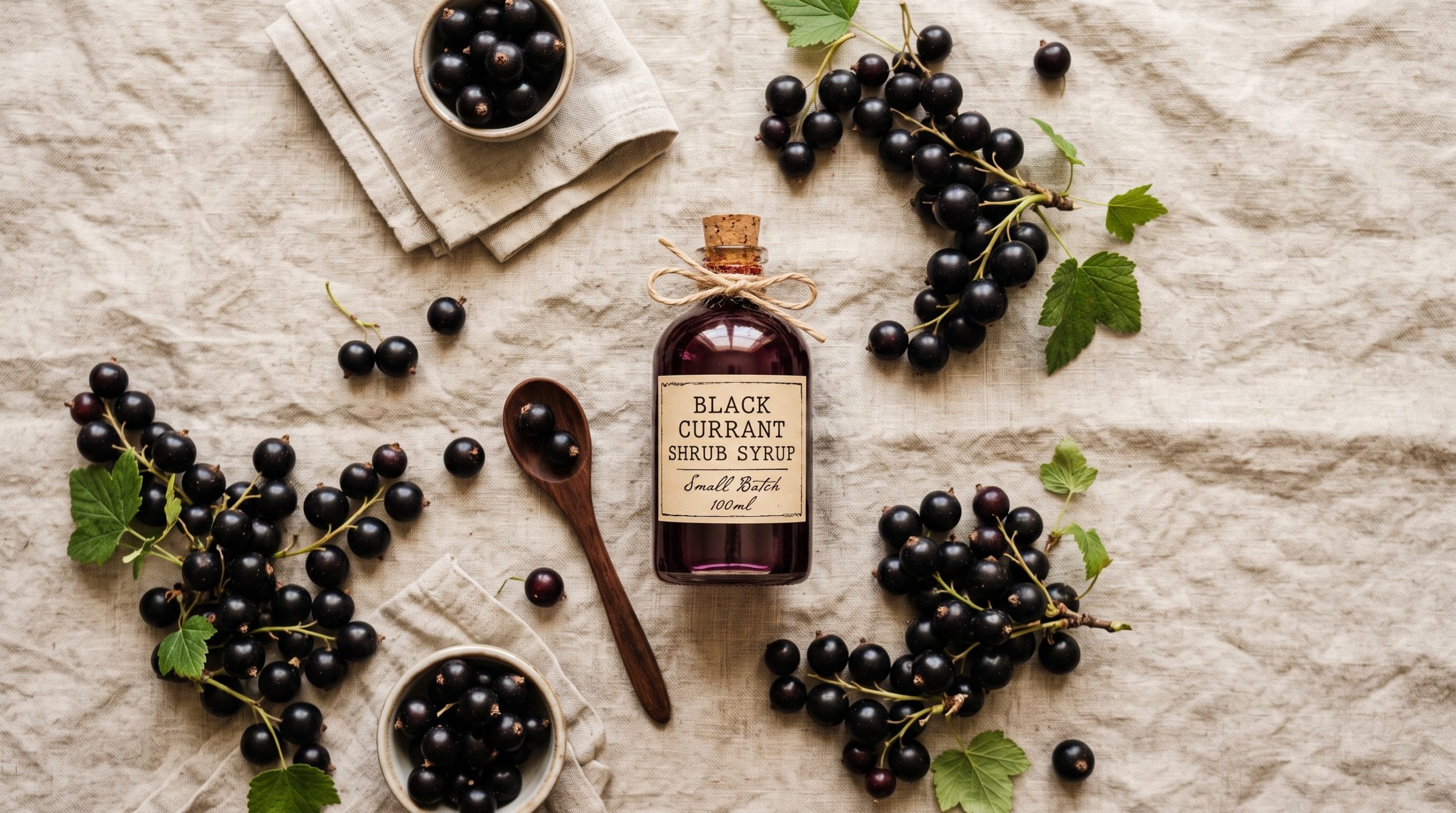
I hadn’t thought about black currants since a jar of currant jam sat mostly untouched in my grandmother’s fridge door for what felt like my entire childhood. So it caught me off guard to see the flavor officially named one to watch for the year — tart, deeply purple, showing up in everything from lattes to cocktails. My first instinct wasn’t to buy currant jam. It was to make a shrub, because that’s the one format that turns this berry into something you’ll actually reach for on a random Tuesday.
A shrub is an old-fashioned drinking vinegar — fruit, sugar, and vinegar combined and left to mingle until you get a syrup that’s sweet, tart, and sharp all at once. It’s been around in American and British kitchens since long before refrigeration, back when preserving fruit in vinegar was simply how you kept summer’s harvest usable through the rest of the year. Black currant, with its naturally intense tartness, might be the best berry for this technique that most people have never tried.
Jump to: Why black currant, why now · The cold method science · How to make black currant shrub · What makes black currant unique · 4 ways to use it · FAQ
Why Black Currant, Why Now
McCormick’s annual flavor forecast named black currant its pick for the year, pointing to its tart-yet-sweet profile and how easily it moves between sweet and savory applications. That’s a meaningful signal — when a major spice and flavor company puts its forecasting weight behind an ingredient, product developers and restaurants tend to follow, which means black currant is likely to keep showing up more, not less, as the year goes on.
The berry itself has a flavor profile that’s genuinely distinct from more familiar berries. It’s less straightforwardly sweet than a blueberry or strawberry, closer to a cross between a raspberry’s tartness and something almost wine-like and herbal underneath. That complexity is exactly why it holds up so well in a shrub, where the sharpness of vinegar needs a fruit with enough backbone not to get lost.
The Simple Method Behind a Shrub
Shrubs work through a straightforward process usually called the “cold method.” You macerate fruit with sugar and let it sit, which draws out the fruit’s juice through osmosis — the sugar pulls liquid out of the fruit’s cells over time, the same basic principle at work when you salt vegetables to draw out moisture. After a day or two, you strain out the solids and combine that concentrated fruit syrup with vinegar, usually apple cider or white wine vinegar, which acts as both a flavor sharpener and a natural preservative that lets the shrub keep for months in the fridge.
The vinegar does more than add tang. Its acidity is what makes shrubs shelf-stable for so long without any canning or special equipment, which is part of why this method was so practical for home cooks generations ago and why it still barely requires any effort today. Before refrigeration was common, a cellar full of shrubs meant a household could stretch a short berry season into drinkable fruit flavor all through the colder months, which is really the whole reason the technique exists in the first place, similar to storing homemade beverages in our aesthetic glass jar pantry organization.
There’s also a “hot method” version of a shrub, where the fruit and sugar are simmered together instead of macerated cold, which speeds the whole process up to under an hour instead of a couple of days. It works, but you lose a bit of the brighter, fresher fruit character that the slower cold method preserves, since heat breaks down some of the more delicate aromatic compounds in the berries. For black currant specifically, which already carries a lot of that herbal, slightly wine-like complexity, the cold method is worth the extra day of waiting.
How to Make Black Currant Shrub
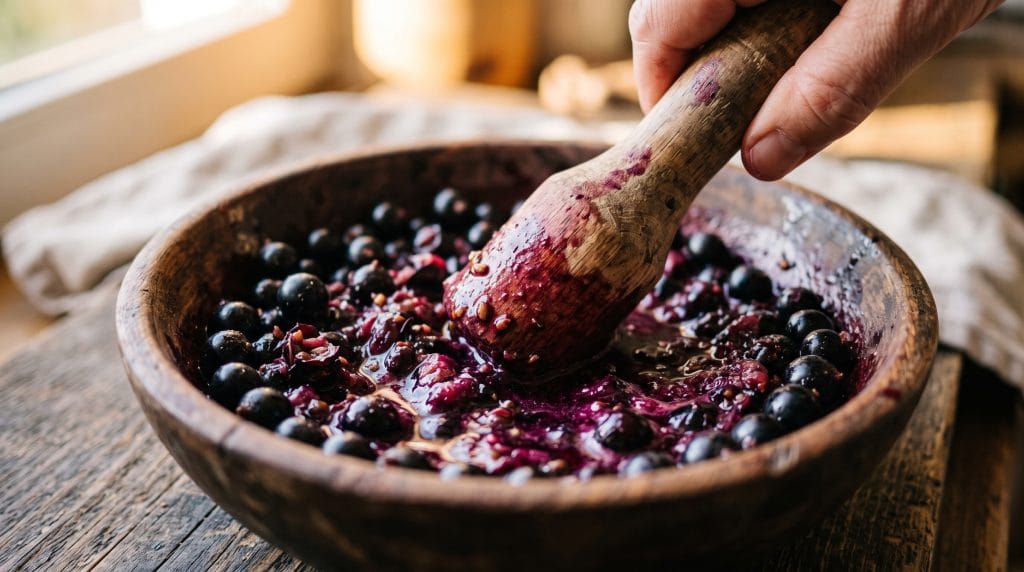
Combine 2 cups of fresh or frozen black currants with 1 cup of sugar in a bowl, lightly crushing the berries with a spoon or muddler to help them release their juice. Cover and refrigerate for 24 to 48 hours, stirring once or twice a day. You’ll see the sugar dissolve into a thick, deep purple syrup as the berries break down.
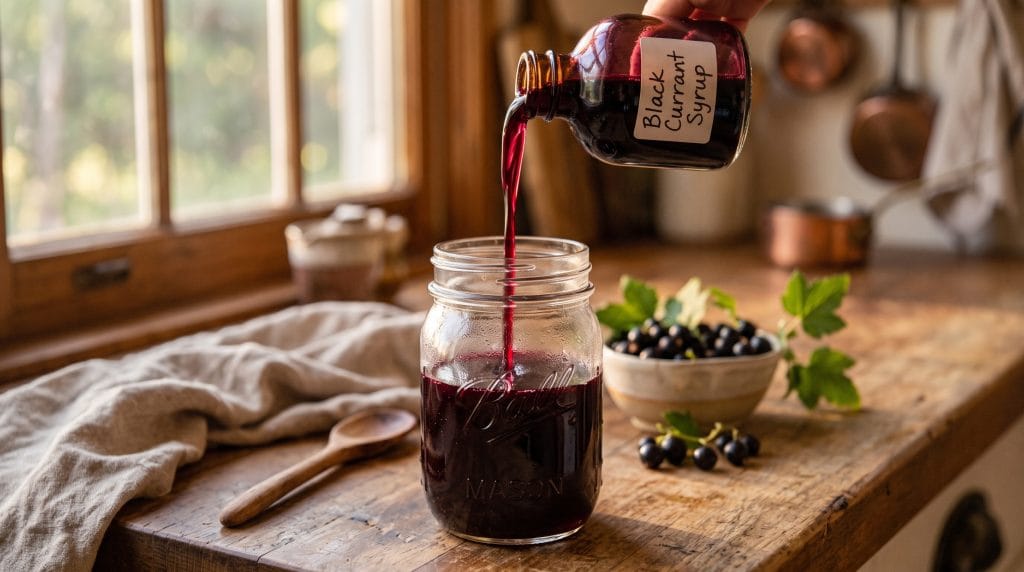
Strain out the solids, pressing gently to extract as much liquid as possible, then whisk in 1 cup of apple cider vinegar. Taste and adjust — more vinegar sharpens it further, more sugar softens it. Store in a sealed bottle or jar in the fridge, where it keeps for up to two months.
What Makes Black Currant Different From Other Berries
Part of why black currant works so well in a format this tart is that the berry itself is unusually acidic and low in natural sugar compared to something like a blackberry or blueberry, which is why currant jam and preserves traditionally use so much added sugar to be palatable on their own. According to research on black currant anthocyanins and organic acids, the high natural acid and polyphenol content gives black currant its intense astringency and vibrant purple pigment.
Black currants are also unusually high in vitamin C for a berry, historically enough that currant syrup was given to British schoolchildren during World War II as a vitamin C supplement when citrus imports were scarce. That’s part of the reason the flavor has such deep roots in European households specifically, well before any 2026 flavor forecast had anything to say about it.
4 Ways to Use It
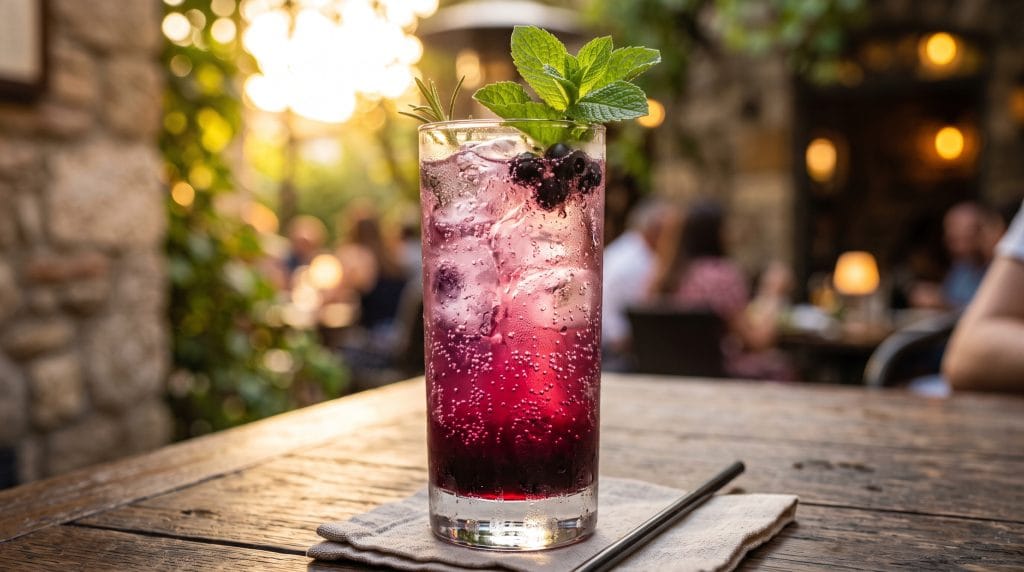
1. Shrub soda — the classic use. Two to three tablespoons of shrub topped with sparkling water and ice makes a naturally tart, refreshing drink, much like our DIY fermented prebiotic soda.
2. Salad dressing base — whisk a tablespoon of shrub with olive oil, a little Dijon mustard, and a pinch of salt for a dressing with real depth, expanding on our recipes for 5 healthy homemade salad dressings.
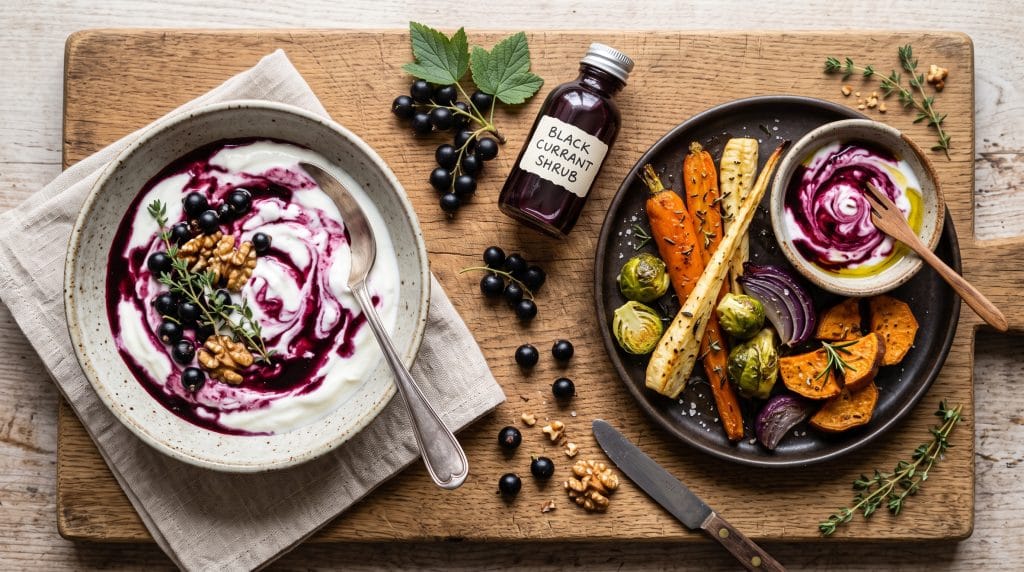
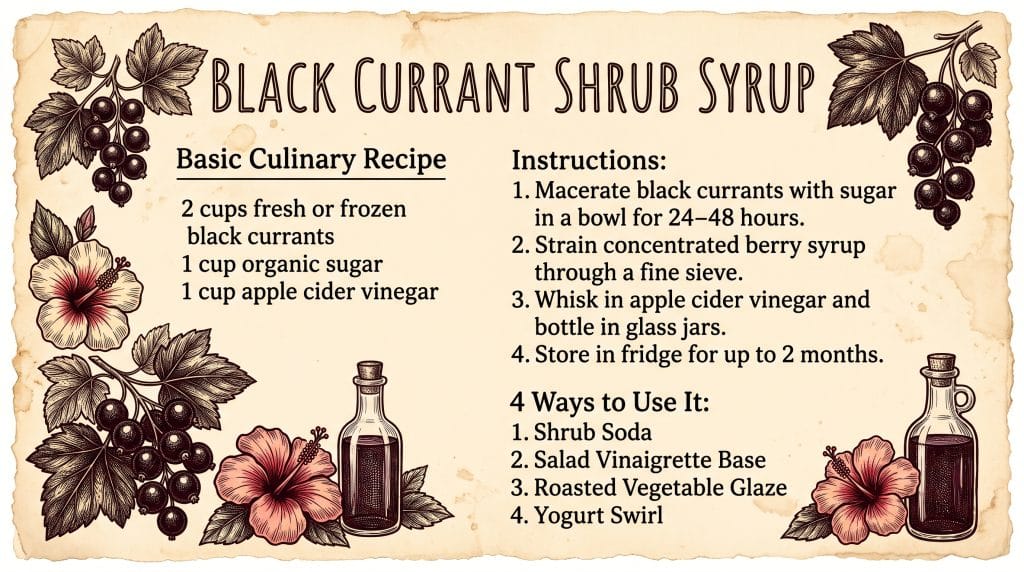
3. Glaze for roasted vegetables or meat — simmer a few tablespoons of shrub in a small pan until slightly thickened, then brush over roasted carrots, brussels sprouts, or chicken in the last few minutes of cooking for a glossy, tangy-sweet finish.
4. Yogurt swirl — a spoonful stirred through plain yogurt adds tartness and color without needing a separate fruit compote. Good over granola or eaten on its own.
Frequently Asked Questions
Where can I find fresh black currants?
Fresh ones can be tricky outside specialty grocers or farmers markets in season, but frozen black currants work just as well for a shrub and are far more widely available year-round, often in the international freezer aisle.
Does the shrub taste like straight vinegar?
It shouldn’t, if the ratio is right. A good shrub tastes fruit-forward first, with the vinegar showing up as a sharp, refreshing edge rather than the dominant flavor. If yours tastes too sharp, add a bit more sugar to balance it.
Can I use a different vinegar?
Apple cider vinegar is the most common choice for its mild flavor, but white wine vinegar or champagne vinegar both work well too and lean a little cleaner and less funky than cider vinegar.
Is this the same as a fruit-infused vinegar you’d use only in cooking?
Not quite — shrubs are sweetened specifically to be sipped as a drink base, while infused vinegars are usually unsweetened and meant purely for cooking. A shrub can still be used in cooking, but it’s built with drinking in mind first.
How long does black currant shrub actually keep?
Thanks to the vinegar’s natural preserving power, a properly made shrub keeps in the fridge for up to two months, often longer, without losing much flavor, making it a wonderful addition to your autumn pantry reset into glass jars.
Make a batch and see how many ways you end up using it — more pantry rituals like this live over on @Nourish_Rituals.
